Regain Your Confident Smile: Dental Implants in Newmarket
Imagine biting into your favorite crisp apple, laughing freely without a second thought, or speaking clearly in a conversation. Now, imagine if missing teeth made those everyday joys difficult or even impossible. For many in Newmarket, Ontario, and even communities like Georgina, Ontario, this isn’t just an inconvenience; it’s a daily struggle that impacts their quality of life, their self-confidence, and even their overall health. If you’re wrestling with the discomfort of denture instability, the challenge of chewing due to gaps in your smile, or the concern of facial changes from bone loss, you’re not alone. The good news? Solutions like dental implants offer a genuine path to regaining not just your smile, but a full, functional way of life.
What’s Inside This Guide
- The Essentials About Dental Implants
- Understanding the Lifesaving Components of Dental Implants
- Why Newmarket Needs Modern Tooth Replacement
- Smart Choices for Your Dental Implant Journey
- Keeping Your New Smile Strong for Decades
- Transformative Perks Beyond Just a Pretty Smile
- A Newmarket Patient’s Journey to Lasting Joy
- Implants vs. Bridges: Your Best Bet for Lasting Function
- Beyond the Implant: Related Oral Health Topics
- Burning Questions About Dental Implants in Newmarket
- Your Newmarket Partner for Dental Health
- Ready for a Change?
- Permanent Solution: Dental implants are the closest thing to natural teeth, offering a stable, long-term replacement for missing teeth, far surpassing temporary fixes.
- Jawbone Preservation: They actively prevent bone loss in the jaw, maintaining facial structure and preventing a
“sunk-in” look often associated with tooth loss. - Enhanced Quality of Life: Enjoy your favourite foods, speak clearly, and smile with confidence again. Implants restore full chewing power and aesthetics.
- High Success Rate: With proper care, dental implants boast a success rate of over 95%, making them a highly reliable investment in your oral health.
Losing a tooth, whether due to decay, injury, or disease, can be more than just an aesthetic concern. It affects your ability to chew, speak, and can even alter your facial structure over time. Fortunately, modern dentistry offers a remarkable solution: dental implants. These innovative devices are designed to mimic the natural structure of your teeth, from root to crown, providing a permanent and incredibly natural-feeling replacement. In Newmarket, residents have access to advanced dental implant procedures that can restore their smiles, their confidence, and their quality of life.

What Exactly Are Dental Implants? The Anatomy of a Permanent Smile
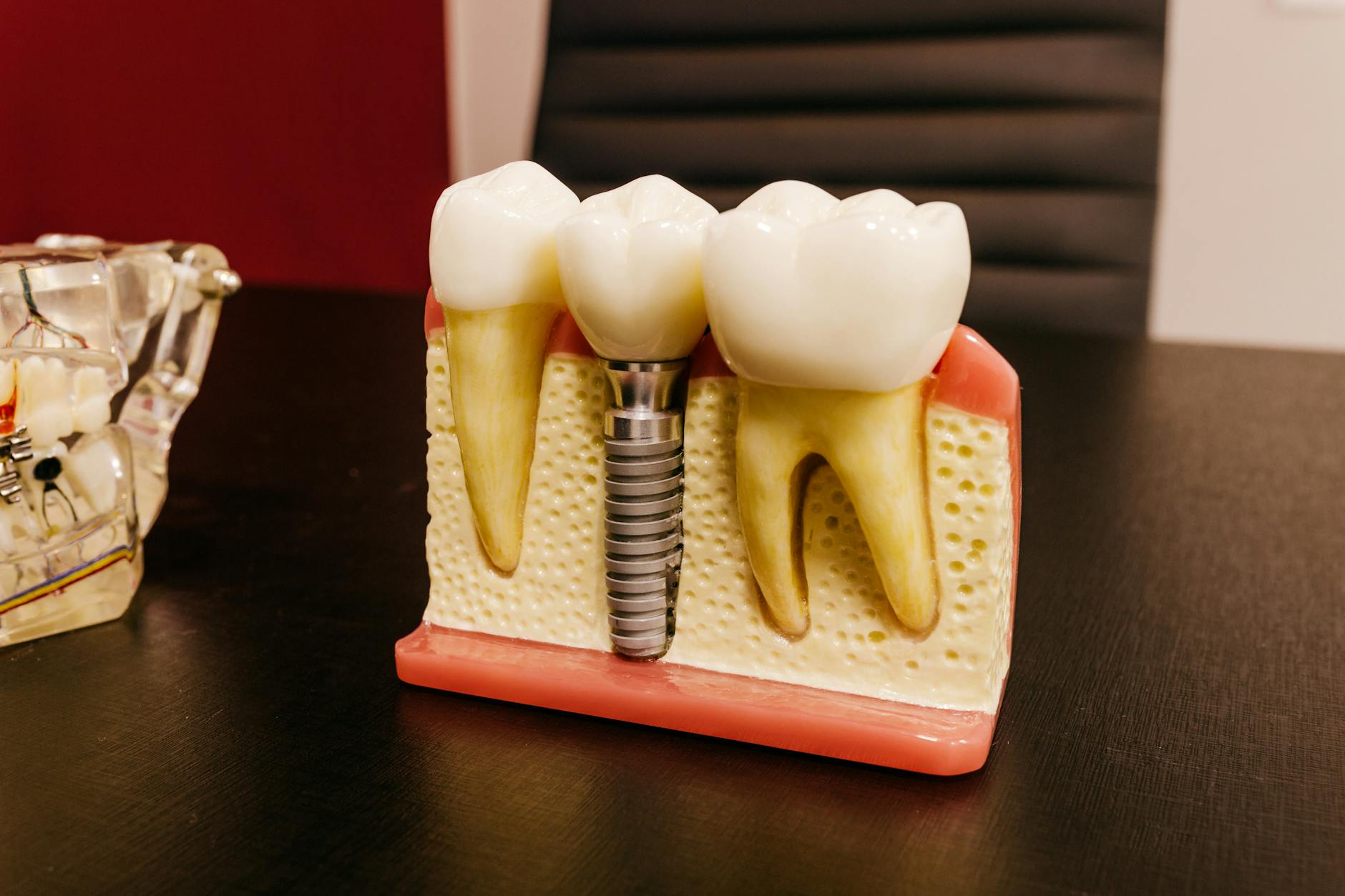
At their core, a dental implant is a small, screw-shaped post, typically made from biocompatible materials like titanium. This post is surgically placed into the jawbone beneath the gum line, where it acts as an artificial tooth root. Over a period of several months, a process known as osseointegration occurs. This is a remarkable biological phenomenon where the jawbone fuses directly with the implant surface, creating an incredibly strong and stable foundation, much like a natural tooth root. Once this integration is complete, a connector piece, called an abutment, is attached to the implant. Finally, a custom-made crown, bridge, or denture is securely fitted atop the abutment, completing the restoration and providing a functional, aesthetically pleasing tooth replacement.
The beauty of dental implants lies in their multi-component design, each part playing a crucial role:
- The Implant Post: This is the surgically placed “root” that provides unparalleled stability. Its titanium composition is chosen for its strength and ability to integrate seamlessly with bone tissue.
- The Abutment: A small, metallic or ceramic component that connects the implant post to the visible restoration (the crown, bridge, or denture). It acts as an anchor for the final prosthetic.
- The Restoration (Crown, Bridge, or Denture): This is the part that looks and functions like your natural teeth. Crowns are used for single tooth replacements, bridges for multiple missing teeth, and implant-supported dentures offer a secure and stable alternative to traditional removable dentures for full arch rehabilitation.
Understanding these components helps patients appreciate the sophisticated engineering behind a successful dental implant procedure. It’s not just about filling a gap; it’s about rebuilding the entire tooth structure for optimal health and function.
Your Step-by-Step Implant Procedure in Newmarket
Embarking on the dental implant journey is a significant decision, and understanding each step can alleviate any anxieties. While individual cases may vary, the general process typically involves several key phases, all managed with precision and care by your Newmarket dental team:
- Initial Consultation and Planning: This crucial first step involves a comprehensive examination of your oral health. Your dentist will take detailed X-rays, 3D scans (CBCT), and discuss your medical history and aesthetic goals. This information allows for precise planning, determining the ideal placement, size, and number of implants needed. Factors like bone density and overall health are carefully assessed to ensure you are a suitable candidate.
- Implant Placement Surgery: Once the treatment plan is finalized, the titanium implant post is surgically placed into your jawbone. This procedure is typically performed under local anesthesia, with sedation options available to ensure your comfort. A small incision is made in the gum tissue, a pilot hole is carefully drilled into the bone, and the implant is then gently screwed into place. The gum tissue is usually closed over the implant, initiating the healing phase.
- Osseointegration (Healing Period): This is the most critical phase, where the magic happens. Over the next 3 to 6 months, the jawbone naturally grows around and fuses with the implant surface. This process, known as osseointegration, is what gives implants their incredible stability and longevity. During this time, you may wear a temporary prosthetic or simply allow the site to heal undisturbed.
- Abutment Placement: Once osseointegration is complete, a minor surgical procedure is performed to expose the top of the implant (if it was covered) and attach the abutment. This is the connecting piece upon which your new tooth will rest. In some cases, the abutment may be placed during the initial implant surgery.
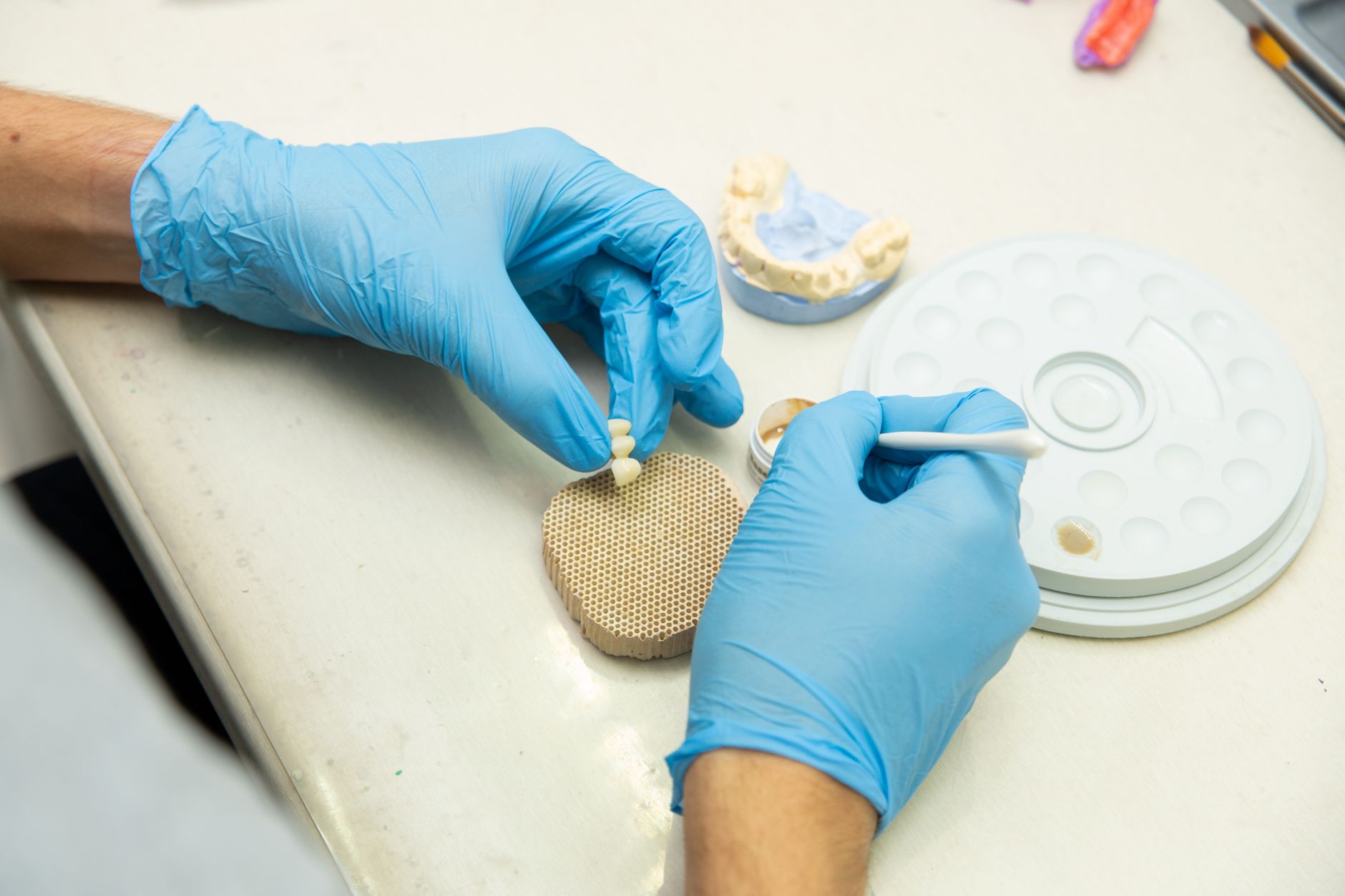
- Restoration (Crown, Bridge, or Denture) Attachment: After the gum tissue around the abutment has healed (typically a few weeks), impressions are taken of your mouth. These impressions are used by a dental laboratory to custom-fabricate your permanent crown, bridge, or denture. Made to match the colour, shape, and size of your natural teeth, this restoration is then securely attached to the abutment, completing your new smile.
Your Newmarket dentist will guide you through each stage, providing detailed instructions for post-operative care and scheduling regular follow-up appointments to monitor your progress and ensure optimal healing.
Keeping Your New Smile Strong for Decades
Just like natural teeth, dental implants require diligent care to ensure their longevity. While implants themselves cannot get cavities, the surrounding gum tissue can still be susceptible to gum disease (peri-implantitis), which, if left untreated, can lead to bone loss around the implant and eventual implant failure. The good news is that maintaining your implants is straightforward and largely mirrors the care needed for natural teeth:
- Regular Brushing: Brush your teeth and implants at least twice a day using a soft-bristled toothbrush and non-abrasive toothpaste. Pay close attention to the area where the implant meets the gum line.
- Daily Flossing: Flossing is crucial for removing plaque and food particles from around the implant and between teeth. For implants, special floss or interdental brushes designed for implant care may be recommended by your dentist.
- Antiseptic Mouthwash: Your dentist might suggest a specific antimicrobial mouthwash to help control bacteria and maintain gum health around your implants.
- Routine Dental Check-ups: Schedule regular check-ups and professional cleanings every six months, or as advised by your Newmarket dentist. These appointments allow your dental professional to monitor the health of your implants, gums, and remaining natural teeth, and catch any potential issues early.
- Avoid Hard Foods and Oral Habits: While incredibly strong, implants are not indestructible. Avoid chewing on extremely hard foods (like ice or hard candies) and refrain from habits like nail-biting, which can put undue stress on your dental restorations.
With proper care and consistent oral hygiene, your dental implants can last for many decades, often a lifetime, making them a truly rewarding investment in your oral health and overall well-being. Your Newmarket dental clinic is dedicated to providing you with all the information and support you need to keep your implant-supported smile shining for years to come.
The Cost of Dental Implants in Newmarket: What to Expect
Understanding the financial aspect is a crucial part of the dental implant journey. While dental implants represent a significant investment, their long-term benefits and durability often outweigh the initial cost. Several factors influence the total price of dental implants in Newmarket, and it’s important to have a clear picture before proceeding with treatment.
Factors Influencing Dental Implant Cost:
- Number of Implants: The most obvious factor is how many implants you need. A single implant will cost less than multiple implants or a full arch restoration.
- Type of Implant: While standard titanium implants are common, specialized implants (e.g., mini implants, Zirconia implants) might have different price points.
- Bone Grafting: If your jawbone lacks sufficient density or volume to support the implant, a bone grafting procedure may be necessary. This adds to the overall cost and treatment time.
- Tooth Extractions: If existing damaged or decayed teeth need to be removed before implant placement, this will be an additional cost.
- Abutment and Crown Material: The material used for the abutment (connector) and the final dental crown (porcelain, ceramic, or metal-infused options) can influence the price.
- Diagnostic Imaging: X-rays, 3D CT scans, and other diagnostic tools are essential for precise planning and incur separate fees.
- Sedation Options: If you opt for sedation dentistry (e.g., oral sedation, IV sedation) to manage anxiety during the procedure, this will be an additional charge.
- Experience of the Dental Professional: Highly experienced oral surgeons or periodontists who specialize in dental implants may have different fee structures.
- Location of the Clinic: While less of a factor within Newmarket itself, prices can vary slightly between dental practices.
During your initial consultation at a Newmarket dental clinic, you will receive a detailed treatment plan that outlines all associated costs. Don’t hesitate to ask for a comprehensive breakdown, including any potential insurance coverage and payment plan options. Many clinics offer financing solutions to make dental implants more accessible.
Dental Implants vs. Other Tooth Replacement Options: A Comparison
When faced with tooth loss, patients in Newmarket have several restorative options. Understanding the differences between dental implants and alternatives like traditional bridges or dentures is key to making an informed decision about which solution best fits your needs, lifestyle, and budget.
Traditional Dental Bridges:
- How they work: A dental bridge typically consists of one or more artificial teeth (pontics) held in place by dental crowns cemented onto the natural teeth adjacent to the gap. These adjacent teeth are often referred to as abutment teeth.
- Pros: Generally less expensive upfront than implants, quicker treatment time, can restore chewing function and aesthetics.
- Cons: Requires altering healthy adjacent teeth by grinding them down to accommodate crowns, does not stimulate the jawbone (leading to potential bone loss over time), can put stress on the supporting teeth, and typically needs replacement after 5-15 years. Food particles can sometimes get trapped underneath.
Removable Dentures (Partial or Full):
- How they work: Dentures are removable appliances that replace multiple missing teeth or an entire arch of teeth. They typically consist of prosthetic teeth attached to a gum-colored acrylic base that rests directly on the gums.
- Pros: Most affordable upfront option, can replace many teeth at once, relatively non-invasive procedure for placement.
- Cons: Can feel bulky and uncomfortable, may slip or click during eating and speaking, requires adhesives for stability, does not prevent jawbone loss, chewing efficiency is significantly reduced compared to natural teeth or implants, and requires regular adjustments and replacements.
Why Dental Implants Often Emerge as the Superior Choice:
While bridges and dentures serve valuable purposes, dental implants offer a unique combination of advantages that often make them the preferred long-term solution:
- Bone Preservation: Implants are the only tooth replacement option that stimulates the jawbone, preventing the bone loss that invariably occurs after tooth extraction. This maintains facial structure and prevents a “sunk-in” appearance.
- Durability and Longevity: With proper care, dental implants can last a lifetime, far surpassing the lifespan of bridges or dentures.
- Stability and Comfort: Implants are surgically fused with the jawbone, providing unparalleled stability. They feel and function like natural teeth, eliminating concerns about slipping, clicking, or discomfort.
- No Damage to Adjacent Teeth: Unlike bridges, implants do not require grinding down healthy neighboring teeth. They stand alone as independent restorations.
- Improved Chewing Efficiency: Implants restore nearly full chewing power, allowing you to enjoy a wide variety of foods without restriction.
- Enhanced Aesthetics: Implants are designed to blend seamlessly with your natural teeth in terms of color, shape, and alignment, providing a highly aesthetic and confident smile.
- Oral Health Benefits: By replacing missing teeth, implants help maintain the alignment of remaining teeth, prevent shifting, and contribute to overall oral hygiene.
Ultimately, the best choice depends on individual circumstances, but the long-term health, functional, and aesthetic benefits of dental implants often position them as the gold standard for tooth replacement in Newmarket.