
Emergency Dentist Vaughan: What to Do When Tooth Pain Strikes at Night in Woodbridge

It’s 2 AM. You’re wide awake, gripped by an excruciating toothache, and every pulse feels like a hammer blow. Or perhaps your child just took an unexpected tumble playing soccer in Woodbridge, resulting in a broken or chipped tooth. Maybe there’s sudden, severe swelling in your jaw or gums, a red flag for a potential infection that can’t wait. These aren’t just inconvenient problems in Vellore Village, ON; they’re genuine dental emergencies that demand immediate attention, often sending you scrambling for “emergency dentist near me” results at the most inconvenient hours. Knowing what to do and where to turn can make all the difference, not just for your comfort, but potentially for saving your tooth.
What’s Inside This Guide
- The Urgent Truth: Why Immediate Action Matters
- Understanding Your Urgent Dental Needs
- Navigating the Costs of Emergency Dental Care in Vellore Village
- Why Vellore Village Residents Need a Reliable Emergency Dentist
- After the Emergency: Sustaining Your Dental Health
- Choosing Your Emergency Partner: Denwest Dental vs. The Alternatives
- Beyond the Immediate Concern: Related Dental Health Topics
- Your Questions About Urgent Dental Situations, Answered
- Meet Denwest Dental Clinic: Your Local Emergency Dental Resource
- Ready for Peace of Mind? Connect With Us
- Ignoring a severe toothache at night can lead to worsening infection and more complex treatments later on. Research shows delaying care for dental infections can increase recovery time by up to 50%.
- A broken or chipped tooth, especially from an accident, requires prompt assessment to prevent further damage and pain. Industry data indicates that teeth treated within 24 hours of injury have a significantly higher long-term prognosis.
- Swelling in the jaw or gums is a critical sign of infection; an urgent dental appointment is crucial for swift antibiotic intervention and drainage to prevent spread.
- Early intervention can often save a tooth that might otherwise be lost, preserving your natural smile and avoiding more extensive procedures like extractions or implants.
- Local emergency dental care, like what you find at Denwest Dental Clinic in Vellore Village, ON, provides peace of mind and accessible solutions during stressful situations.

Understanding Your Urgent Dental Needs
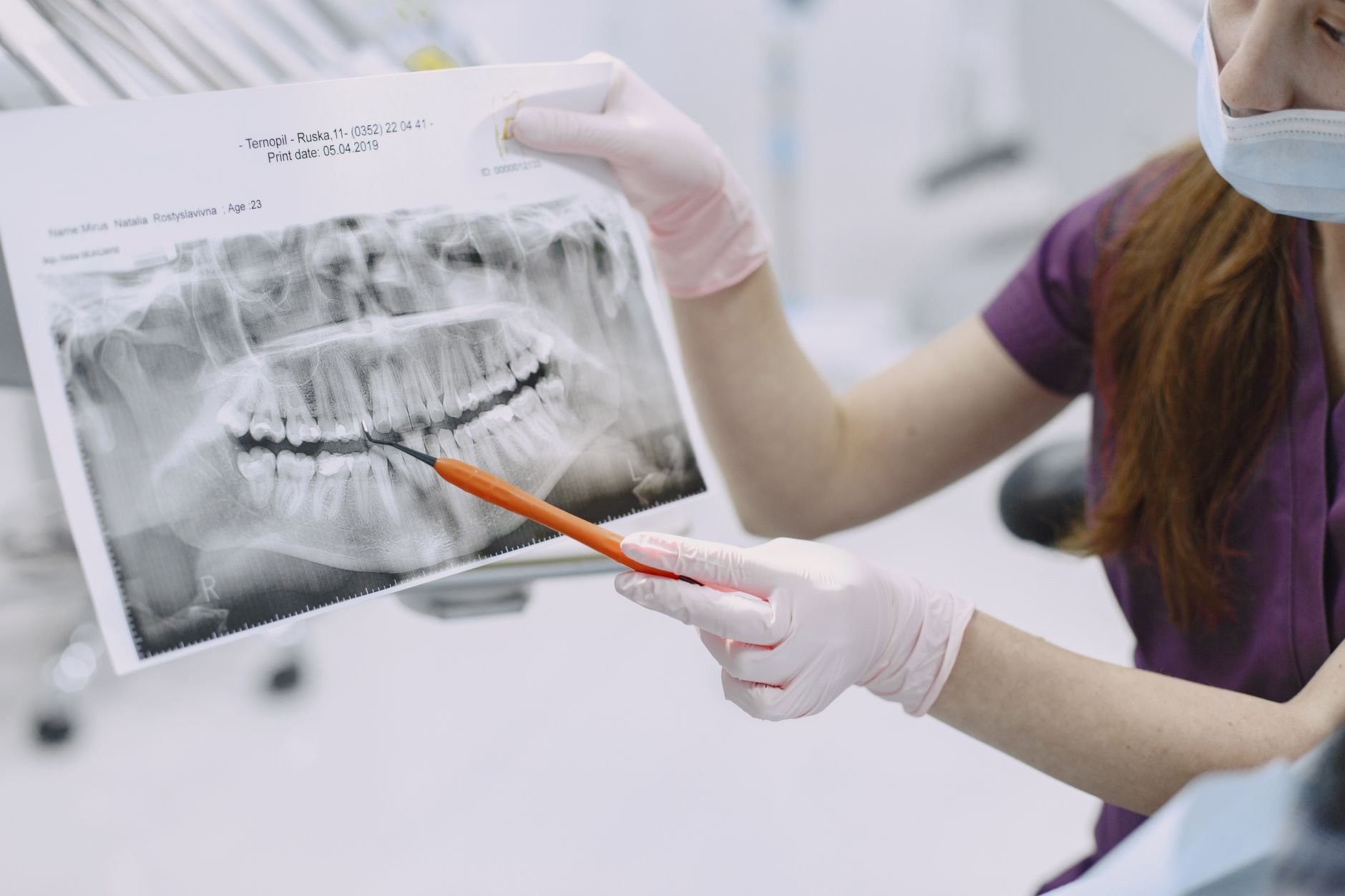
When a dental emergency strikes, it’s not just about addressing the immediate pain; it’s about understanding the underlying problem and the steps needed to solve it permanently. For a broken or chipped tooth from a sports injury, for instance, we’re looking at the extent of the fracture. Is it enamel only, or has it reached the dentin or even the pulp? This determines if a simple bonding, a crown, or even root canal therapy is necessary, all of which are services offered at Denwest Dental Clinic. Similarly, an excruciating toothache at 2 AM could stem from deep decay, a cracked tooth, or an infected pulp. Our team utilizes modern dental clinic digital x-rays, including digital radiography and sometimes even panoramic or CBCT 3D imaging, to quickly pinpoint the exact cause of your discomfort. This allows for fast dental x-rays for urgent issues, giving our emergency dentist near me the clarity needed to formulate an effective treatment plan. Affordable digital dental imaging also means less radiation exposure and instant results, a significant advantage when time is of the essence. You’ll find that where can I get instant dental x-rays is often answered by a quick call to our office.
“In Vellore Village, ON, recognizing the severity of a dental emergency, particularly a toothache or unexplained jaw swelling, and seeking immediate dental help is paramount,” states Dr. Hamid Tamimi of Denwest Dental Clinic. “Timely intervention during an urgent dental consultation drastically improves outcomes and can prevent minor issues from escalating into major, costly problems.”
Navigating the Costs of Emergency Dental Care in Vellore Village
Worried about the cost of an emergency dental care visit? It’s a valid concern, especially when you’re already in pain. The price for a full dental exam and emergency dental consultation for broken tooth typically varies depending on the complexity of the issue and the treatment required. For example, a simple reattachment of a chipped enamel might be relatively inexpensive, while a full crown or root canal for severe infection will naturally incur higher costs. Many urgent dental clinics open now, like Denwest Dental Clinic, work with various insurance providers to help minimize out-of-pocket expenses. We understand that an unexpected dental disaster can be financially taxing. That’s why we focus on transparent pricing and discuss all options before proceeding. When comparing the affordable dental check-up cost for a routine visit versus the emergency price, remember that proactive preventative dental care visit can often save you from these higher short-notice costs. Don’t let concerns about price for full dental exam deter you from seeking immediate dental help near me when a true emergency arises. Remember, postponing treatment often leads to more extensive, and unfortunately, more expensive solutions down the line.
Why Vellore Village Residents Need a Reliable Emergency Dentist
Living in Vellore Village, ON, you enjoy a vibrant community with convenient access to many amenities. However, dental emergencies don’t discriminate. Whether you’re an active family with kids playing sports in Woodbridge, a busy professional in Thornhill, ON, or enjoying the tranquility of Kleinburg, ON, a sudden dental issue can disrupt your life. The specific needs of our community, from accidental injuries to the common occurrence of a sudden, severe swelling in the jaw due to hidden infection, make a reliable emergency dental service indispensable. We’re talking about more than just basic dental check-ups near me. We’re talking about a trusted local emergency dental care provider who can respond quickly to a knocked-out tooth needing immediate action to save it, or the unbearable sensitivity to hot/cold foods impacting daily life. At
We believe that everyone in Vellore Village deserves prompt, expert attention when faced with dental pain or injury. This commitment to local dental health assessment is a core part of our philosophy. According to local health reports, dental emergencies are a leading cause of after-hours medical visits, underscoring the vital need for specialized urgent dental clinics like ours.
After the Emergency: Sustaining Your Dental Health
Once your immediate dental emergency, whether it’s a broken tooth or a treated infection, is resolved, the journey toward lasting oral health continues. It’s not just about fixing the problem; it’s about preventative dental care visit that keeps future emergencies at bay. This includes understanding how often should I see a dentist for routine care. For most individuals, regular routine dental exam in my area, typically every six months, is recommended to catch issues before they become urgent. During these visits, we offer professional cleaning and scaling, full dental exams, and discuss any potential risk factors. At Denwest Dental Clinic, we utilize digital dental x-rays near me to monitor your oral health over time, detecting subtle changes and preventing problems from escalating. The benefits of digital dental x-rays include lower radiation and clearer images, allowing for early detection of issues like hidden decay or potential infections. We’ll also provide guidance on at-home care, diet, and lifestyle adjustments crucial for maintaining the longevity of any emergency repairs. What are the advantages of digital x-rays? Faster diagnostics, better patient understanding, and superior records for your care when you need emergency tooth pain relief near me.
Choosing Your Emergency Partner: Denwest Dental vs. The Alternatives
When a dental crisis hits, you need a partner you can trust. In Vellore Village, ON, you have options, but not all urgent dental clinics are created equal. Let’s compare what you’ll find with Denwest Dental Clinic versus what you might encounter elsewhere when you search for “urgent dental check-up near me.”
| Feature | Denwest Dental Clinic (Vellore Village) | Typical Emergency Clinic (General) |
|---|---|---|
| Availability for Emergencies | Prompt scheduling, often same-day urgent care | Varies; may have limited emergency slots or referrals |
| Technology & Diagnostics | Modern digital x-rays, 3D imaging, low radiation x-rays | Standard X-rays; less frequently advanced imaging |
| Comprehensive Care | Full family dental care in Vaughan, follow-up, preventative focus | Often focuses solely on immediate issue; follow-up may be external |
| Patient Focus & Comfort | Emphasis on patient education, comfort, and personalized plans | May feel more transactional due to high volume |
| Local Expertise & Trust | Deep understanding of Vellore Village community needs | General service area; less localized approach |
Unlike an unknown urgent dental clinic open now you might find online, Denwest Dental Clinic offers comprehensive family dental care in Vaughan, meaning your emergency is handled by a team familiar with your overall dental history and committed to your long-term health. We’re not just about fixing the immediate problem; we’re about getting you back to optimal health and providing a seamless transition from emergency care to routine maintenance. This is why many residents in Woodbridge, Ontario, and Patterson, Ontario, choose us.
Beyond the Immediate Concern: Related Dental Health Topics
An emergency dental consultation often shines a light on broader aspects of oral health that might need attention. Understanding these related entities can help you maintain a healthier smile and potentially avoid future urgent situations:
- Dental Abscess — a pocket of pus caused by bacterial infection, often the root cause of severe swelling and excruciating toothache. Immediate dental help is critical here.
- Root Canal Therapy — a common procedure to save a tooth when the pulp becomes infected or inflamed due to deep decay or injury.
- Dental Crowns — often used to restore a broken or severely chipped tooth, protecting it from further damage and restoring its function.
- Preventative Sealants — a protective coating applied to molars to prevent decay, especially important for kids dentistry and avoiding future urgent dental appointments.
- Mouthguards — essential for athletes to prevent dental injuries like broken or knocked-out teeth during sports activities, a common cause for Vaughan emergency dentistry visits.
- Digital Radiography — the advanced technology, including affordable digital dental imaging, that allows for precise diagnosis with lower radiation, a staple at Denwest Dental Clinic for fast dental x-rays for urgent issues.
These topics are all interlinked with maintaining good oral hygiene and knowing what to do when you need an emergency dentist now. Looking for more information? You can always learn more about related content on our website.
Your Questions About Urgent Dental Situations, Answered
What should I do if I have an excruciating toothache at 2 AM?
Your first step in Vellore Village, ON, should be to contact Denwest Dental Clinic. While waiting to be seen, you can try over-the-counter pain relievers and apply a cold compress to your cheek to help reduce swelling. Avoid placing aspirin directly on the gum as it can cause tissue damage.
My tooth is broken or chipped from an accident. How quickly do I need to see a dentist?
You should seek emergency dental consultation for a broken tooth as soon as possible. Even if there’s no immediate pain, a broken tooth can quickly develop sensitivity or become infected. Preserving the tooth fragment (if any) in milk or your saliva can sometimes help the dentist reattach it.
What does sudden, severe swelling in the jaw or gums indicate?
Sudden, severe swelling is a strong indicator of an infection, possibly a dental abscess. This is a serious dental emergency that requires immediate antibiotics and drainage. Delaying treatment can lead to the infection spreading, so call an urgent dental clinic open now, like Denwest Dental Clinic, right away.
Are dental x-rays always necessary during an emergency visit?
In most emergency cases, yes. Digital dental x-rays near me, like those at Denwest Dental Clinic, are crucial for accurately diagnosing the underlying cause of your pain or injury. They allow our emergency dentist to see what’s happening beneath the surface, ensuring the correct treatment plan.
How can I prevent dental emergencies?
Preventative dental care is key! Regular routine dental exam in my area, typically every six months, along with good oral hygiene practices at home, can significantly reduce your risk. Wearing a mouthguard during sports and avoiding chewing on hard objects also helps prevent broken or chipped teeth.
What if I’ve lost a filling or crown? Is that an emergency?
Yes, losing a filling or crown often exposes sensitive areas of your tooth and can cause sharp pain or sensitivity. It’s advisable to get an urgent dental appointment for severe pain quickly to prevent further damage or decay. Denwest Dental Clinic can address lost fillings or crowns promptly.
Ready for Peace of Mind? Connect With Us
Don’t let a dental emergency take over your life in Vellore Village, Ontario. Whether it’s an excruciating toothache at 2 AM, a broken tooth from an unexpected accident, or sudden, severe swelling, know that expert help is just a call away. Denwest Dental Clinic is here to provide the urgent dental care you need, when you need it most. Our dedicated team is ready to offer an emergency dental consultation and bring you relief. Don’t hesitate – your comfort and oral health are too important to postpone. Contact us today; we’re prepared to be your lifeline during any unexpected dental disaster. Your search for “i need an emergency dentist now” ends with us in Woodbridge. Visit our website for more information on Woodbridge Family Dentistry Emergency services.

Recognizing the Signs: When to Seek Emergency Dental Care
It can sometimes be challenging to distinguish between a regular dental issue that can wait for a scheduled appointment and a true dental emergency that requires immediate attention. Here are some key indicators that you should seek emergency dental care without delay:
- Severe, persistent toothache: If your toothache is intense, throbbing, or doesn’t subside with over-the-counter pain relievers, it could indicate an infection or nerve damage. This warrants immediate professional evaluation.
- Swelling in the face or gums: Swelling, especially if accompanied by fever or difficulty swallowing, can point to a serious infection (abscess) that could spread to other parts of your body if left untreated.
- Chipped, broken, or knocked-out tooth: Accidents happen. If a tooth is chipped badly, broken, or completely knocked out, time is of the essence. For a knocked-out tooth, there’s a small window of opportunity (often within 30 minutes to an hour) for successful re-implantation. Keep the tooth moist in milk or saline, or even gently tuck it inside your cheek, and get to the dentist immediately.
- Lost filling or crown causing pain: While a lost filling or crown might not always be an emergency, if it exposes a sensitive area, causes sharp pain, or creates a sharp edge that cuts your tongue or cheek, it needs prompt attention to prevent further damage or discomfort.
- Bleeding or injury to the gums, tongue, or soft tissues: Any injury that results in uncontrollable bleeding or deep lacerations to your mouth’s soft tissues should be assessed by an emergency dentist to prevent infection and ensure proper healing.
- Objects caught between teeth that cannot be removed: Sometimes, food particles or other objects can become stubbornly lodged between teeth, causing significant pain and pressure. If flossing or brushing carefully doesn’t dislodge it, an emergency dentist can safely remove it to prevent gum irritation or infection.
- Acute sensitivity to hot or cold: While some sensitivity is normal, severe or sudden sensitivity that lingers after the stimulus is removed can be a sign of a cracked tooth, cavity, or exposed root, requiring urgent evaluation.
Recognizing these symptoms and acting quickly can significantly impact the outcome, potentially saving a tooth, preventing further complications, and alleviating severe pain. Denwest Dental Clinic is equipped to handle all these scenarios and more, providing expert care when you need it most.
Our Approach to Emergency Dentistry: Fast, Compassionate, Effective
At Denwest Dental Clinic, we understand that a dental emergency is not just about pain; it’s about anxiety, disruption, and the unexpected. Our approach to emergency dentistry is designed to address all these concerns with speed, compassion, and clinical excellence.
When you contact us for an emergency, our trained staff will first listen carefully to your symptoms and provide initial guidance. We strive to schedule you for the earliest possible appointment, often on the same day. Upon arrival, our priority is to alleviate your pain and make you comfortable.
Our comprehensive emergency dental process typically involves:
- Rapid Assessment and Diagnosis: Our experienced dentists will perform a thorough examination, which may include X-rays, to accurately diagnose the root cause of your emergency. We explain our findings clearly and discuss all available treatment options.
- Immediate Pain Relief: Whether through local anesthesia, medication, or specific pain management techniques, our first goal is always to provide immediate relief from your discomfort.
- Prompt and Effective Treatment: Depending on the diagnosis, treatment could range from a simple filling, a temporary crown, a dental extraction, or starting a root canal procedure. Our state-of-the-art facility is equipped to handle a wide array of emergency dental interventions.
- Preventive Advice and Follow-Up: Once the immediate crisis is managed, we’ll provide you with clear instructions for aftercare and discuss any necessary follow-up appointments. We also offer advice on how to prevent future emergencies, ensuring your long-term oral health.
- Patient Education: We believe an informed patient is a confident patient. We take the time to answer all your questions, explaining procedures and expected outcomes in detail, ensuring you feel completely at ease with your care plan.
Our team is committed to delivering care that is not only clinically superior but also delivered with empathy and understanding. We know that dental emergencies can be frightening, and we are here to support you every step of the way. Trust Denwest Dental Clinic to be your sanctuary during a dental crisis in Woodbridge, offering not just treatment, but genuine care and lasting solutions. Your oral health and comfort are our highest priorities, and we are constantly striving to exceed your expectations, even in the most challenging circumstances. Don’t let uncertainty or fear prevent you from getting the immediate care you need. We are standing by, ready to help restore your comfort and your smile.
Common Dental Emergencies and How We Handle Them
Understanding what constitutes a dental emergency is the first step in seeking appropriate care. While some situations might seem alarming, others require immediate professional attention to prevent further damage or complications. Here at Denwest Dental Clinic, we are equipped to handle a wide range of urgent dental issues with speed and expertise. Here’s a look at some of the most common emergencies we treat and our approach to resolving them:
- Severe Toothache: A persistent and intense toothache is often a sign of an underlying issue such as deep decay, an abscess, or a fractured tooth. Our first priority is to alleviate your pain. We will conduct a thorough examination, including X-rays, to diagnose the cause. Treatment might involve a filling, root canal therapy, or in some cases, extraction if the tooth is beyond repair. We focus on conservative treatments whenever possible to preserve your natural teeth.
- Chipped or Broken Teeth: Accidents can happen, leading to chipped or broken teeth. Depending on the severity, this can range from a purely cosmetic issue to a serious problem exposing the inner pulp of the tooth. For minor chips, we might use dental bonding to restore the tooth’s appearance. More significant breaks may require a dental crown to protect the remaining tooth structure and prevent further damage. If the pulp is exposed, a root canal may be necessary to save the tooth.
- Knocked-Out (Avulsed) Tooth: This is one of the most time-sensitive dental emergencies. If a tooth is knocked out, immediate action dramatically improves the chances of re-implantation. If this happens, pick up the tooth by the crown (not the root), gently rinse it if dirty (do not scrub), and try to reinsert it into its socket. If that’s not possible, keep it moist in milk or your saliva and get to our clinic immediately. We will attempt to re-implant the tooth and then stabilize it.
- Lost Filling or Crown: While not always painful, a lost filling or crown exposes the sensitive dentin and can lead to decay or structural damage if left untreated. We will assess the situation and either replace the filling or recement the crown. If the underlying tooth suffered further damage, a new restoration might be needed.
- Abscesses and Infections: A dental abscess is a serious infection that can form around the root of a tooth or in the space between the teeth and gums. These are often characterized by severe pain, swelling, fever, and sometimes a foul taste in the mouth. An abscess requires immediate attention as the infection can spread. We will drain the abscess to relieve pressure and prescribe antibiotics to fight the infection. Root canal therapy or extraction may follow to resolve the source of the infection.
- Soft Tissue Injuries: Injuries to the gums, cheeks, lips, or tongue can also constitute a dental emergency. These might be caused by biting down too hard, sports injuries, or falls. We will clean the wound, control bleeding, and determine if stitches are necessary. We also provide advice on proper wound care to facilitate healing and prevent infection.
In all these situations, our team acts quickly and decisively to stabilize your condition, alleviate pain, and initiate the necessary treatment to restore your oral health. We utilize state-of-the-art diagnostic tools and advanced dental techniques to ensure accurate diagnoses and effective interventions.
Preventing Dental Emergencies: Proactive Steps for Optimal Oral Health
While we are always ready to assist you during a dental emergency, our ultimate goal is to help you prevent them from happening in the first place. Many dental emergencies are avoidable with consistent preventive care and proactive habits. Here are some key strategies to minimize your risk:
- Maintain Excellent Oral Hygiene: Brushing at least twice a day with a fluoride toothpaste and flossing daily are fundamental to preventing cavities, gum disease, and ultimately, severe toothaches or abscesses. Regular cleaning removes plaque and food particles that can lead to decay and infection.
- Regular Dental Check-ups and Cleanings: Visiting Denwest Dental Clinic for routine examinations and professional cleanings every six months is crucial. These appointments allow our dentists to identify and address minor issues like small cavities before they escalate into painful emergencies. Early detection and treatment can save you from significant discomfort and more extensive procedures later on.
- Wear a Mouthguard for Sports: If you or your children participate in sports or activities with a risk of facial impact, wearing a custom-fitted mouthguard is non-negotiable. Mouthguards protect your teeth, gums, and tongue from trauma, significantly reducing the risk of chipped, broken, or knocked-out teeth.
- Avoid Chewing on Hard Objects: Chewing on ice, popcorn kernels, hard candies, or using your teeth to open packages can lead to fractured teeth or chipped enamel. Be mindful of what you put in your mouth beyond food.
- Address Tooth Grinding (Bruxism): If you clench or grind your teeth, especially at night, it can put immense pressure on your teeth, leading to cracks, chips, and jaw pain. We can provide custom nightguards to protect your teeth from the damaging effects of bruxism.
- Eat a Balanced Diet: A diet rich in fruits, vegetables, and calcium-rich foods supports strong teeth and bones. Limiting sugary snacks and acidic drinks reduces the risk of tooth decay and enamel erosion, both of which can contribute to dental vulnerabilities.
- Don’t Ignore Early Warning Signs: If you notice persistent sensitivity, mild pain, bleeding gums, or any unusual changes in your mouth, don’t wait for it to become an emergency. Contact us promptly for an evaluation. Addressing these issues early can prevent them from developing into more serious problems.
By incorporating these preventive measures into your routine, you can significantly safeguard your oral health and reduce the likelihood of experiencing a dental emergency. Our team at Denwest Dental Clinic is always here to provide guidance and support in maintaining a healthy, beautiful smile for a lifetime.
What to Expect When You Arrive for an Emergency
When you arrive at Denwest Dental Clinic with a dental emergency, our primary goal is to make your experience as smooth, comfortable, and effective as possible. We understand you’re likely in pain or distress, and our compassionate team is trained to respond with urgency and care. Here’s a step-by-step overview of what you can expect:
- Immediate Assessment and Pain Management: Upon your arrival, our front-desk team will welcome you and quickly gather essential information. Our dental assistants will then swiftly bring you into an operatory for an initial assessment. Our first priority is to alleviate your pain. We will inquire about the nature, severity, and location of your discomfort. Depending on your situation, we may offer immediate pain relief measures, such as a topical anesthetic or medication, even before the dentist begins the full examination.
- Thorough Examination and Diagnosis: Once your immediate comfort is addressed, one of our experienced dentists will conduct a comprehensive examination of the affected area. This often includes taking digital X-rays, which provide detailed images to help diagnose the underlying problem accurately. We will explain what we see and ensure you understand the cause of your emergency.
- Discussion of Treatment Options: Based on the diagnosis, your dentist will present you with a clear explanation of the available treatment options. We will discuss the pros and cons of each, the expected outcomes, and an estimate of the costs involved. Our aim is to empower you to make an informed decision about your care, even under emergency circumstances. We will answer all your questions thoroughly.
- Prompt Treatment: In most emergency cases, we strive to perform the necessary treatment during your initial visit to resolve the immediate issue and provide lasting relief. Whether it’s a filling, a temporary crown, drainage of an abscess, or re-implantation of a tooth, our clinic is fully equipped to handle a wide range of procedures. If a more complex or lengthy procedure is required that cannot be completed immediately, we will provide temporary relief and schedule a follow-up appointment as soon as possible.
- Aftercare Instructions and Follow-up: Before you leave, our team will provide you with clear, detailed aftercare instructions to ensure proper healing and minimize any post-treatment discomfort. This may include advice on pain management, diet, oral hygiene, and signs to watch for. We will also schedule any necessary follow-up appointments to monitor your recovery and complete any unfinished treatment.
- Support and Comfort: Throughout your emergency visit, our entire team is dedicated to your comfort and well-being. We understand that dental emergencies can be stressful, and we strive to create a calm and supportive environment. Please feel free to communicate any concerns or discomforts you may have at any point during your visit.
At Denwest Dental Clinic in Woodbridge, we pride ourselves on our ability to transform a potentially alarming dental emergency into a manageable and effectively treated situation. Our efficient processes, combined with our compassionate approach, ensure that you receive the best possible care when you need it most. Your health and peace of mind are our priority, and we are committed to getting you back to comfort and full oral function as quickly as possible.
Common Dental Emergencies We Treat
Understanding the types of dental emergencies that warrant immediate attention can help you act quickly and appropriately. While any sudden and severe oral pain should be addressed by a professional, some common emergencies we frequently treat at Denwest Dental Clinic include:
- Severe Toothache: More than just a nuisance, a severe toothache can indicate a serious underlying issue such as a deep cavity, infection, or cracked tooth. Ignoring prolonged or intense tooth pain can lead to more complicated and extensive treatments down the line. We aim to diagnose the root cause of your pain and provide immediate relief.
- Knocked-Out Tooth (Avulsed Tooth): This is one of the most time-sensitive dental emergencies. If a tooth is knocked out, it’s crucial to retrieve it, rinse it gently without scrubbing, and attempt to reinsert it into its socket. If that’s not possible, place it in a small container of milk or saline solution and get to our clinic immediately. The sooner you reach us, the higher the chance of saving the tooth.
- Chipped, Cracked, or Broken Teeth: Accidents happen, and teeth can suffer trauma. Even a small chip can expose sensitive dentin or lead to further breakage if left untreated. Larger cracks or breaks can cause significant pain, sensitivity, and risk of infection. We can repair these issues with fillings, bonding, crowns, or other restorative procedures, depending on the severity.
- Lost Filling or Crown: While not always painful, a lost filling or crown exposes the sensitive underlying tooth structure to temperature changes, bacteria, and food debris. This can lead to pain, decay, or further damage. We can quickly replace or recement these restorations to protect your tooth.
- Abscess or Swelling: An abscess is a localized collection of pus caused by a bacterial infection, often at the root of a tooth or in the gums. This is a serious condition that can spread to other parts of the body if not treated promptly. Swelling, fever, and persistent pain are common symptoms. We will drain the infection and treat its source, often with root canal therapy or antibiotics.
- Soft Tissue Injuries: Injuries to the gums, cheeks, tongue, or lips can result from falls, sports injuries, or biting down too hard. These can cause bleeding, lacerations, or punctures. We can assess the injury, clean the wound, stop the bleeding, and provide stitches if necessary to promote proper healing and prevent infection.
- Objects Caught Between Teeth: While seemingly minor, a persistent object lodged between teeth can cause significant discomfort, pressure, and even damage to the gums or teeth over time. We have specialized tools to safely remove these objects without causing further harm.
No matter the nature of your dental emergency, do not hesitate to contact Denwest Dental Clinic. Our experienced team is equipped to handle a wide range of situations, providing expert care with a compassionate approach. We understand the urgency of these situations and prioritize getting you out of pain and back to health.
Preventing Dental Emergencies: Proactive Steps for Oral Health
While some dental emergencies are unpredictable, many can be prevented or their severity reduced through proactive measures and diligent oral hygiene. At Denwest Dental Clinic, we believe in empowering our patients with the knowledge and tools to maintain optimal oral health and minimize the risk of sudden dental crises.
- Maintain Excellent Oral Hygiene: This is the cornerstone of preventative dental care. Brushing your teeth twice a day with fluoride toothpaste and flossing daily effectively removes plaque and food particles, preventing cavities, gum disease, and the infections that can lead to abscesses and severe toothaches.
- Regular Dental Check-ups and Cleanings: Visiting our Woodbridge clinic for routine check-ups and professional cleanings twice a year allows us to identify and address potential issues before they escalate into emergencies. Early detection of cavities, gum disease, or even minor cracks can save you from significant pain and costly treatments down the line.
- Wear a Mouthguard During Sports: If you or your children participate in contact sports or activities with a risk of facial impact, a custom-fitted mouthguard is an invaluable investment. It protects teeth from being chipped, broken, or knocked out, and also helps prevent soft tissue injuries to the lips and cheeks.
- Avoid Chewing Hard Foods: Be mindful of foods that can chip or crack teeth, such as ice, hard candies, popcorn kernels, and unripe fruits. Also, avoid using your teeth as tools to open packages or bite off tags.
- Address Grinding or Clenching (Bruxism): If you grind or clench your teeth, especially at night, this can lead to worn enamel, cracked teeth, and jaw pain. We can provide custom nightguards to protect your teeth from the excessive forces of bruxism.
- Don’t Ignore Minor Symptoms: A slight persistent sensitivity, a small chip, or a recurring dull ache should not be ignored. These can be early warning signs of bigger problems. Contact us to have any unusual symptoms checked out promptly.
- Limit Sugary and Acidic Foods and Drinks: High sugar and acid content in your diet contribute to tooth decay and erosion, weakening teeth and making them more susceptible to damage and infection.
By incorporating these preventive measures into your daily routine, you can significantly reduce the likelihood of experiencing a dental emergency. While we are always here for you in times of crisis, our ultimate goal is to help you maintain a healthy, pain-free smile through consistent care and proactive choices. Partnership between you and our dental team at Denwest Dental Clinic is key to achieving lasting oral health.
Recognizing the Signs of a Dental Emergency
Understanding when a dental issue crosses the line from a minor annoyance to an urgent problem is crucial. Delaying treatment for an emergency can lead to more severe pain, extensive damage, and higher treatment costs. Here are some key indicators that you might be experiencing a dental emergency:
- Severe, Unrelenting Pain: If you’re experiencing intense toothache that doesn’t subside with over-the-counter pain relievers, or if the pain wakes you up at night, it’s a strong sign something significant is wrong. This could indicate an infection, abscess, or deep decay affecting the tooth’s nerve.
- Swelling in the Gums or Face: Swelling, especially around a tooth or radiating into your jaw or face, often points to an infection. If left untreated, oral infections can spread to other parts of your body and become life-threatening.
- Bleeding That Doesn’t Stop: While minor gum bleeding during brushing is common for some, persistent or excessive bleeding from your gums, tongue, or any part of your mouth, especially after trauma, warrants immediate attention.
- Loose or Knocked-Out Tooth: A tooth that has been loosened or completely knocked out due to an accident needs immediate care. There’s a critical window (often within the first hour) during which a knocked-out tooth can potentially be replanted successfully.
- Cracked or Broken Tooth with Pain: A chipped tooth without pain might be manageable in a routine appointment, but a cracked or broken tooth, especially if it’s causing severe pain or exposing the inner layers of the tooth, is an emergency. This can expose nerves and make the tooth susceptible to infection.
- Abscess or Pimple-Like Bump on Gums: An abscess is a localized collection of pus, usually caused by a bacterial infection. It appears as a painful, pus-filled bump on your gums. This requires prompt drainage and antibiotic treatment to prevent the infection from spreading.
- Lost Filling or Crown Causing Pain: If a filling or crown falls out and exposes a sensitive area or causes pain, it’s best to see a dentist quickly. This exposure can lead to rapid decay or nerve irritation.
If you experience any of these symptoms, do not hesitate to contact Denwest Dental Clinic immediately. Our team is trained to assess your situation quickly and provide the necessary urgent care.
What to Do Until You Reach Our Clinic
While prompt professional care is essential, there are steps you can take to manage your symptoms and potentially mitigate further damage before you arrive at Denwest Dental Clinic. Knowing what to do can make a significant difference in the outcome of your dental emergency.
- For a Knocked-Out Tooth: Handle the tooth by the crown (the chewing surface), not the root. If possible, gently rinse it with milk or a saline solution if dirty, but do not scrub it. Try to reinsert it into its socket. If you can’t, keep the tooth moist by placing it in a cup of milk, your own saliva, or a tooth preservation kit if available. Get to our clinic within 30-60 minutes for the best chance of successful re-implantation.
- For a Severe Toothache: Rinse your mouth thoroughly with warm salt water to clean the area and reduce swelling. You can also carefully floss to remove any trapped food particles that might be causing irritation. Apply a cold compress to the outside of your cheek or jaw to help reduce swelling and pain. Over-the-counter pain relievers like ibuprofen or acetaminophen can also help manage discomfort, but do not place aspirin directly on the tooth or gums, as it can burn the tissue.
- For a Chipped or Broken Tooth: Rinse your mouth with warm water to clean it. If there’s bleeding, apply a piece of gauze to the area for about 10 minutes or until the bleeding stops. Apply a cold compress to the outside of your mouth, cheek, or lip near the injured tooth to keep any swelling down and alleviate pain. If the break is large and sharp, you can cover it with sugar-free chewing gum or dental wax (available at pharmacies) to protect your tongue and cheek from cuts.
- For a Lost Filling or Crown: If a filling has fallen out, you can temporarily plug the hole with a piece of sugar-free chewing gum or dental wax to reduce sensitivity. If a crown comes off, try to put it back on using dental adhesive, toothpaste, or even sugar-free chewing gum as a temporary measure. Ensure the inside of the crown and your tooth are clean first. It’s crucial not to use super glue.
- For an Abscess: An abscess indicates a serious infection. Rinse your mouth with warm salt water frequently to help draw the pus to the surface and provide some relief. Do not try to pop the abscess yourself. This requires professional drainage and antibiotics. Apply a cold compress to the outside for swelling.
These temporary measures are not substitutes for professional dental care. They are intended to provide temporary relief and prevent further complications until you can be seen by our experienced dental team. When you call us, be prepared to describe your symptoms accurately so we can advise you on the best course of action and prepare for your arrival.
Our Commitment to Emergency Dental Care
At Denwest Dental Clinic, we understand that dental emergencies can be frightening and disruptive. Our primary commitment is to provide prompt, compassionate, and effective emergency dental care when you need it most. We strive to be a reliable resource for our community, ensuring that urgent oral health issues are addressed without unnecessary delay.
Our clinic is equipped with state-of-the-art technology and our dentists are highly experienced in diagnosing and treating a wide range of dental emergencies. We reserve time in our daily schedules specifically for emergency appointments to ensure that you can be seen quickly. Our team will work diligently to alleviate your pain, diagnose the underlying problem, and implement the most appropriate treatment plan to restore your oral health.
When you contact us with a dental emergency, our friendly administrative staff will guide you through the initial steps, gathering necessary information and providing advice on how to manage your situation until you arrive. Upon your arrival, you can expect a thorough examination, often including X-rays, to accurately assess your condition. We will explain your diagnosis and treatment options clearly, ensuring you are comfortable and informed every step of the way.
Whether it’s a sudden, excruciating toothache, a traumatic injury resulting in a knocked-out tooth, or a rapidly spreading infection, Denwest Dental Clinic is here to provide the immediate care you require. Don’t let fear or pain prevent you from seeking help. Your health and comfort are our top priorities, and we are dedicated to helping you get back to a pain-free smile as quickly as possible. We encourage you to save our contact information in your phone so you’re prepared for any unexpected dental crisis.
