
5 Ways Denwest Dental Solves Crooked Teeth in Thornhill
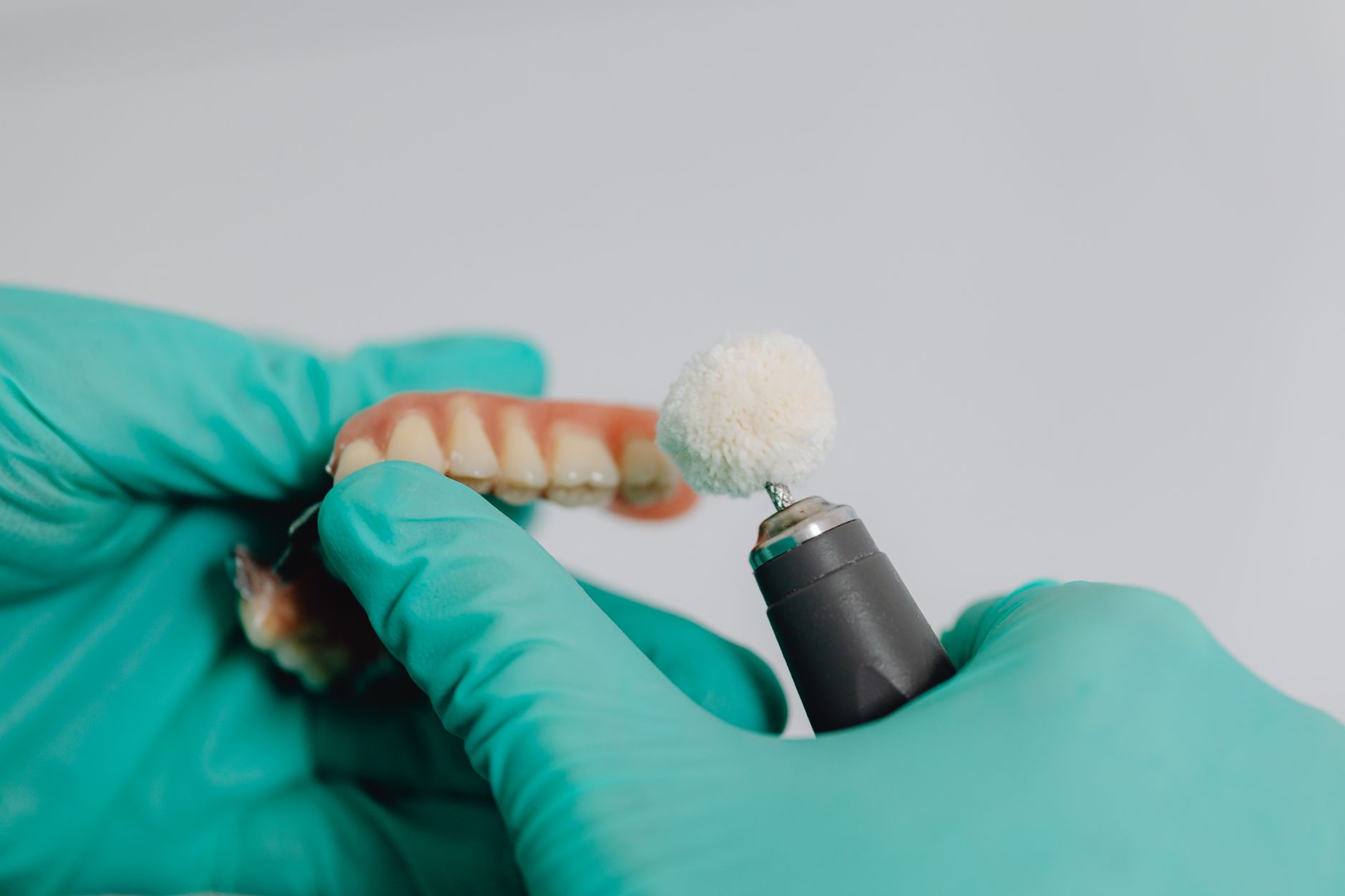
It’s a common story in Georgina, Ontario, and throughout the Greater Toronto Area: you’re enjoying a meal, perhaps at one of Thornhill’s charming local eateries, when a sudden crunch reminds you of that missing tooth. Or maybe you’ve been living with missing teeth causing difficulty chewing and speaking clearly for years, resigning yourself to a restricted diet and a noticeable gap in your smile. This scenario isn’t just about aesthetics; it profoundly impacts your daily life, from the foods you can enjoy to your confidence in social settings. At Denwest Dental Clinic, we understand these challenges, and we’re here to explain how modern dental solutions can bring back your comfort and your smile.
What’s Inside This Guide
- Straight Answers: The Essential Overview
- Understanding the Investment: What Shapes Dental Implant Costs
- Charting Your Course: The Dental Implant Journey
- From Root to Radiance: The Mechanics of Dental Implants
- Common Missteps: What to Avoid on Your Path to a New Smile
- Building Blocks of Stability: Understanding Implant Materials
- Sifting Through the Stories: Dispelling Implant Myths
- Keeping Your New Smile Bright: Longevity and Care
- Beyond the Basics: Dental Implants vs. Other Solutions
- Deep Dive: Related Concepts for Your Dental Health
- Your Questions Answered: What Thornhill Residents Want to Know
- Meet Your Thornhill Dental Care Partners
- Ready for a Change? Your Next Step

Straight Answers: The Essential Overview
- Dental implants are small titanium posts surgically placed into the jawbone to act as artificial tooth roots. They provide a stable foundation for replacement teeth.
- An alarming statistic: according to the Canadian Dental Association, over 30% of adults aged 65-74 in Canada have no natural teeth, highlighting the need for effective tooth replacement options like dental implants.
- They offer a permanent solution for missing teeth causing difficulty chewing and speaking clearly, unlike dentures which can slip or cause discomfort. Studies report that dental implant success rates are as high as 98%.
- Implants are crucial for preventing bone loss in the jaw due to missing teeth leading to facial structural changes, maintaining facial integrity.
- Choosing local dental implant specialists like those at Denwest Dental Clinic in Thornhill ensures personalized care and convenient follow-ups.
- Implants significantly improve quality of life by restoring confidence, the ability to eat diverse foods, and boosting overall oral health.
Understanding the Investment: What Shapes Dental Implant Costs
When you start researching dental implants near me in Thornhill, one of the first questions that comes to mind is often about the cost. It’s true that the cost of dental implant treatment can vary, and it’s not a one-size-fits-all number. Several factors influence the overall investment. For example, a single tooth implant procedure will naturally be less than full mouth dental implants for missing teeth, which involve replacing all or most teeth.
At Denwest Dental Clinic, we pride ourselves on transparency. Factors such as the number of dental implants needed, the type of artificial tooth (crown, bridge, or denture), and whether additional procedures like bone grafting or sinus lifts are required, all play a role. These extra steps might be necessary if there’s significant bone loss in the jaw due to missing teeth leading to facial structural changes, ensuring a strong foundation for the implant. Industry data indicates that while the initial cost might seem higher than other options, the long-term benefits and durability of dental implants often make them a more economical choice over time. We can provide a detailed dental implant cost estimate tailored to your unique needs during your consultation. You can also explore options for affordable dental implants local to Thornhill during your visit.
Charting Your Course: The Dental Implant Journey
Getting dental implants might sound like a big step, but at Denwest Dental Clinic, we make the process clear and comfortable. Here’s a simplified roadmap of what to expect:
- Initial Consultation & Evaluation: First, you’ll have a thorough examination with Dr. Hamid Tamimi. We’ll use advanced tools like digital radiography and CBCT (3D imaging) to assess your oral health, jawbone density, and discuss your goals. We’ll outline your personalized treatment plan, including the cost of dental implant options.
- Treatment Planning: Our team, including any oral surgery specialists if needed, will meticulously plan the precise placement of each dental implant.
- Implant Placement: This surgical procedure involves gently inserting the small titanium post, which acts as the surgical tooth root replacement, into your jawbone. This is done with local anesthesia to ensure minimal discomfort.
- Healing Period (Osseointegration): Over several months, the implant will naturally fuse with your jawbone in a process called osseointegration. This creates a strong, stable foundation, much like a natural tooth root.
- Abutment Placement: Once healed, a small connector piece, called an abutment, is attached to the implant. This will hold your new artificial tooth.
- Crown, Bridge, or Denture Attachment: Finally, your custom-made restoration—a dental crown, bridge, or full/partial denture—is securely placed, completing your new, confident smile.
Dr. Hamid Tamimi of Denwest Dental Clinic notes, “When considering dental implants in Thornhill, many patients are surprised by how straightforward the process can be, especially with proper planning and modern techniques. Our goal is always to restore function, aesthetics, and confidence with minimal disruption to your life in Georgina, Ontario.”
From Root to Radiance: The Mechanics of Dental Implants
So, how exactly do dental implants work to solve the challenge of a missing tooth? Think of it this way: a natural tooth has a crown (the visible part) and a root (anchored in your jawbone). When you lose a tooth, you lose both. A traditional bridge might fill the gap for chewing and aesthetic issues, but it doesn’t address the missing root. Dentures, while versatile, largely sit on the gums and can suffer from denture instability and discomfort.
This is where surgical tooth root replacement comes in. A dental implant is essentially an artificial tooth root, typically made of biocompatible titanium. It’s surgically placed into the jawbone beneath the gum line. Over time, your body’s bone cells actually grow around and fuse with the implant surface – a process called osseointegration. This creates an incredibly strong and stable anchor, just like a natural tooth root. This stability is key to preventing missing teeth causing difficulty chewing and speaking clearly. Once this fusion is complete, a custom-made crown, bridge, or denture is attached, giving you back a complete and functional smile. This not only restores your ability to chew and speak with ease but also tackles the problem of self-consciousness and low confidence due to gaps in smile. It’s a game-changer for overall oral health, and research shows that this procedure dramatically improves the quality of life for patients. Furthermore, because dental implants stimulate the jawbone, they are the only tooth replacement option that can prevent or even reverse bone loss in the jaw due to missing teeth leading to facial structural changes, offering a long-term solution for maintaining the structural integrity of your face.
Common Missteps: What to Avoid on Your Path to a New Smile
Embarking on the journey to get full mouth dental implants for missing teeth or even just a single implant is exciting, but it’s important to be aware of potential pitfalls. One common mistake Thornhill residents make is choosing the cheapest option without thoroughly vetting the clinic or the experience of the dental implant specialist. While looking for affordable dental implants local is smart, prioritizing the lowest price over quality can lead to complications, discomfort, and even implant failure down the line. Remember, this is a surgical procedure, and expertise matters.
Another pitfall is not addressing underlying oral health issues beforehand. If you have active gum disease (a condition that affects the tissues supporting your teeth), it must be treated first to ensure the success of your implants. Neglecting this step significantly increases the risk of implant failure. Also, some patients don’t fully commit to the post-operative care instructions, which are crucial for proper healing and osseointegration. And finally, underestimating the impact of lifestyle choices like smoking can drastically reduce the success rate of your permanent tooth replacement options. A qualified team like Denwest Dental Clinic will guide you through all these considerations.
Building Blocks of Stability: Understanding Implant Materials
When you’re exploring dental implants, understanding the materials used can give you confidence in your choice. The most common and successful material for the implant itself is titanium. Why titanium? It’s incredibly biocompatible, meaning your body readily accepts it without adverse reactions. This unique property is what allows the implant to fuse directly with your jawbone in that remarkable process called osseointegration. The titanium posts are designed with specific surface textures and shapes to maximize bone contact and stability.
The artificial teeth placed on top of the implants, such as dental veneers or crowns, are typically made from high-strength, tooth-coloured materials like porcelain or zirconium. These materials are chosen not only for their durability and ability to withstand chewing forces but also for their aesthetic appeal. They are designed to blend seamlessly with your natural teeth in Thornhill, Ontario, ensuring that your new smile looks and feels completely natural. The precision of these materials contributes to the long-term success and aesthetic satisfaction of your permanent tooth replacement options.
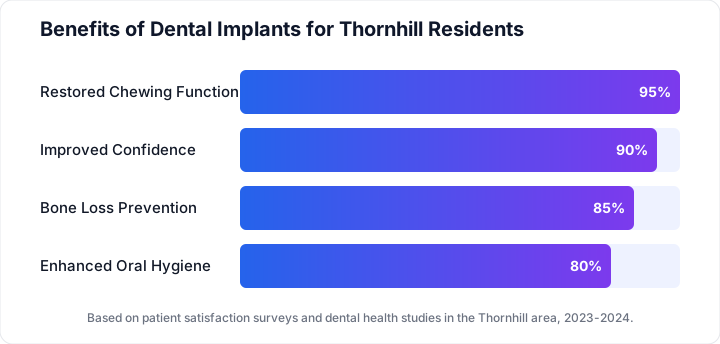
Sifting Through the Stories: Dispelling Implant Myths
There are many misconceptions about dental implants, and it’s essential to separate fact from fiction as you consider this treatment in Thornhill. Let’s debunk a few common myths:
- Myth 1: Dental implants are incredibly painful. While it’s a surgical procedure, modern techniques and local anesthesia ensure that the implant placement itself is typically felt as pressure, not pain. Post-operative discomfort is usually manageable with over-the-counter pain relievers, similar to recovery from a tooth extraction.
- Myth 2: Implants always look artificial. Not true! With advancements in dental technology and materials like high-quality porcelain or zirconia, your new artificial tooth is custom-made to match the colour, shape, and size of your natural teeth. Our goal at Denwest Dental Clinic is a seamless integration that enhances your natural smile, addressing any self-consciousness and low confidence due to gaps in smile.
- Myth 3: Implants are only for young people. Age is rarely a barrier to successful dental implant treatment. As long as you have sufficient bone density (or are willing to undergo grafting if needed) and good overall health, dental implant near me is a viable option for most adults, regardless of age. What truly matters is your general health, not how many birthdays you’ve had.
- Myth 4: Dental implants are too much trouble to clean. In fact, they are much easier to maintain than a traditional bridge or dentures. You can brush and floss them just like your natural teeth, making it simple to avoid difficulty maintaining good oral hygiene with traditional bridges. Regular dental check-ups are also crucial.
Keeping Your New Smile Bright: Longevity and Care
Once your dental implants are in place and fully healed, caring for them is surprisingly straightforward. Think of them just like your natural teeth – because in many ways, they function exactly like them! Regular brushing twice a day, flossing daily (we can show you special techniques if needed), and routine check-ups at Denwest Dental Clinic are essential. Just like your natural teeth, implants require good oral hygiene to prevent issues like peri-implantitis, a form of gum disease specific to implants.
With proper care, permanent tooth replacement options like dental implants can last a lifetime, according to the American Academy of Implant Dentistry. Many studies report success rates in the high 90s, even after 10-20 years. Maintaining your new smile not only ensures its longevity but also contributes to your overall health and well-being, including preventing impact on overall health due to poor nutrition from restricted diet. Regular visits to your Thornhill dentist allow us to monitor your implants and surrounding gum tissue, ensuring everything remains healthy and strong for years to come. Remember, avoiding smoking and excessive alcohol consumption will also contribute significantly to the long-term success of your implants.
Beyond the Basics: Dental Implants vs. Other Solutions
When considering solutions for missing teeth causing difficulty chewing and speaking clearly in Thornhill, you’ll often encounter discussions comparing dental implants to traditional options like dentures and bridges. Each has its pros and cons, but it’s important to understand why many choose implants as their preferred permanent tooth replacement option.
| Feature | Dental Implants | Traditional Bridges | Full/Partial Dentures |
|---|---|---|---|
| Jawbone Preservation | Prevents bone loss, preserves facial structure | Does not prevent bone loss | Accelerates bone loss over time |
| Stability & Comfort | Extremely stable, feels like natural teeth, no denture instability and discomfort | Anchored to adjacent teeth, stable but can put stress on supporting teeth | Can slip, move, and cause irritation; often requires adhesives |
| Chewing & Speech | Restores full chewing power and clear speech, no restrictions | Good chewing function, minimal speech impact | Can limit food choices and impact speech clarity |
| Oral Hygiene | Brushing & flossing like natural teeth, easy to maintain, avoids difficulty maintaining good oral hygiene with traditional bridges | Requires special tools for cleaning under the bridge; harder to clean | Must be removed and cleaned daily; can trap food particles |
| Longevity | Can last a lifetime with proper care (industry data reports 95%+ success rates over 10 years) | Typically 5-15 years, often needs replacement | Typically 5-10 years, often needs refitting/replacement |
Deep Dive: Related Concepts for Your Dental Health
Understanding the broader context of dental health can illuminate why dental implants are such a powerful treatment. Here are some related concepts worth knowing:
- Osseointegration – The biological process where the dental implant physically fuses with your jawbone, creating a strong and stable foundation, much like a natural tooth root. This is why do dental implants prevent bone loss is an emphatic yes!
- Bone Grafting – A procedure sometimes necessary before implant placement, especially if you’ve experienced significant bone loss in the jaw due to missing teeth leading to facial structural changes, to build up sufficient jawbone to support the implant.
- Periodontics – This branch of dentistry focuses on the health of your gums and the supporting structures of your teeth. Healthy gums are crucial for dental implant success. If you often search for “periodontist in my area,” you’ll find specialists crucial for implant health.
- Dental Crowns – The custom-made, tooth-shaped cap that is placed over the implant abutment, acting as your new visible tooth.
- Oral Surgery – While oral surgery covers a wide range of procedures, it specifically refers to the surgical placement of dental implants. For complex cases, you might seek an oral surgery clinic near me or wisdom teeth removal local specialist.
- Full Mouth Reconstruction – For patients with extensive tooth loss, this comprehensive plan often involves multiple dental implants, dental crowns, and other restorative procedures to rebuild an entire smile.
- Abutment – The small connector piece that links the dental implant (the root) to the prosthetic tooth (the crown or bridge). It can be thought of as the ‘neck’ of the artificial tooth.
Your Questions Answered: What Thornhill Residents Want to Know
Can dental implants really help with chewing and speaking clearly?
Absolutely. One of the primary benefits of dental implants is their stability and integration with your jawbone. Unlike traditional dentures that can shift, implants restore nearly 100% of your natural chewing ability and eliminate any speech impediments caused by missing teeth, directly resolving the issue of missing teeth causing difficulty chewing and speaking clearly.
What about preventing bone loss in the jaw? How do implants achieve this?
When you lose a tooth, the jawbone beneath it no longer receives stimulation from chewing, leading to bone resorption or loss. Dental implants act like natural tooth roots by stimulating the jawbone, thereby preserving bone density and preventing the bone loss in the jaw due to missing teeth leading to facial structural changes that can alter your facial appearance.
I’m worried about discomfort. Are dental implant procedures painful?
The dental implant placement procedure is performed under local anesthesia, so you should not feel any pain during the surgery itself. Most patients report mild discomfort afterward, managed effectively with over-the-counter pain medication, a far cry from the significant fear of dental procedures and desire for a long-term solution that many experience.
How do dental implants compare to dentures in terms of stability and comfort?
Dental implants are surgically anchored into your jawbone, offering unparalleled stability – they won’t slip, click, or fall out like dentures can. This eliminates denture instability and discomfort, providing a much more natural feel and function. Many patients describe them as feeling just like their own teeth.
Is it difficult to maintain good oral hygiene with dental implants?
No, it’s quite simple! You clean dental implants just like your natural teeth: with regular brushing, flossing, and routine dental check-ups. This ease of care is a huge advantage over the difficulty maintaining good oral hygiene with traditional bridges or dentures, which often require specialized cleaning tools or removal.
Can dental implants improve my diet and overall health?
Definitely. By restoring your ability to chew a full range of foods, dental implants eliminate the impact on overall health due to poor nutrition from restricted diet. You can enjoy crunchy fruits, vegetables, and meats again, leading to a more balanced and enjoyable diet, which in turn benefits your overall systemic health.
What’s the typical lifespan of a dental implant?
With proper care and good oral hygiene, dental implants can last a lifetime. The implant itself (the titanium screw) is designed to be a permanent fixture, while the attached crown may need replacement after 10-15 years, similar to a natural tooth that might need a crown. This makes them a strong contender for permanent tooth replacement options.
Meet Your Thornhill Dental Care Partners
Ready for a Change? Your Next Step
If you’re living in Thornhill, Ontario, or even in nearby Concord or Kleinburg, and dealing with missing teeth causing difficulty chewing and speaking clearly, or struggling with denture instability and discomfort, it’s time to explore a lasting solution. Don’t let self-consciousness and low confidence due to gaps in smile hold you back any longer. Contact Denwest Dental Clinic today to schedule your consultation. Dr. Hamid Tamimi and our dedicated team are ready to discuss how dental implants can transform your smile and your life. Let us help you gain the confidence to eat, speak, and smile freely again.
